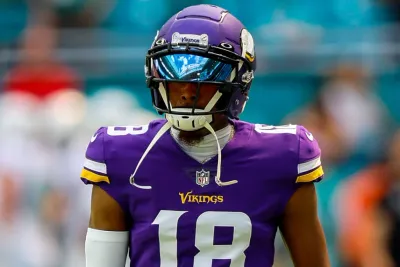
A football visor is one of the most underrated pieces of equipment on the field. Beyond the intimidation factor, it protects your eyes from fingers poking through the facemask, shields against turf pellets and debris kicked up during plays, and cuts glare from stadium lights or afternoon sun. For skill position players who need to read the field quickly, the optical clarity of a quality visor is a genuine competitive advantage.
The visor market ranges from budget polycarbonate shields under $20 to premium Oakley PRIZM models used in the NFL. The right choice depends on your level of play, your league's tint rules, and how much you value optical clarity and scratch resistance over the course of a season.
What to Look For
Optical clarity should be your top priority. A cheap visor with waviness or distortion will throw off your depth perception — a serious problem when you're tracking a pass at full speed. Oakley's PRIZM and Nike's Max Optics technologies both deliver distortion-free vision, though Oakley's contrast enhancement gives it an edge for reading field conditions.
Anti-fog performance is critical for cold-weather games and high-humidity conditions. There are two main approaches: chemical coatings (used by Oakley and Under Armour) and physical ventilation holes (used by Nike). Chemical coatings deliver cleaner optics but degrade over time. Nike's ventilation holes never wear out but slightly reduce the shield's structural uniformity.
Scratch resistance determines how long your visor stays usable. Plutonite (Oakley's polycarbonate) is the hardest lens material in the visor market and resists scratches significantly better than standard coatings. If you play multiple times per week, the investment in better scratch resistance pays off.
Universal fit vs. brand-specific mounting is a practical consideration. Most visors use universal clips that fit Riddell, Schutt, Xenith, and Vicis helmets. The Bauer Pro-Clip system only works with specific mounting points. Always verify helmet compatibility before buying.
Tint Rules at a Glance
Clear visors are legal at every level of play. Tinted visors require a medical exemption in the NFL, NCAA, and NFHS (high school). Youth leagues almost universally mandate clear visors. If you want the aesthetic of a dark visor, save it for practice and keep a clear option ready for game day.