
Best Football Visors: Complete Buyer's Guide (2026)
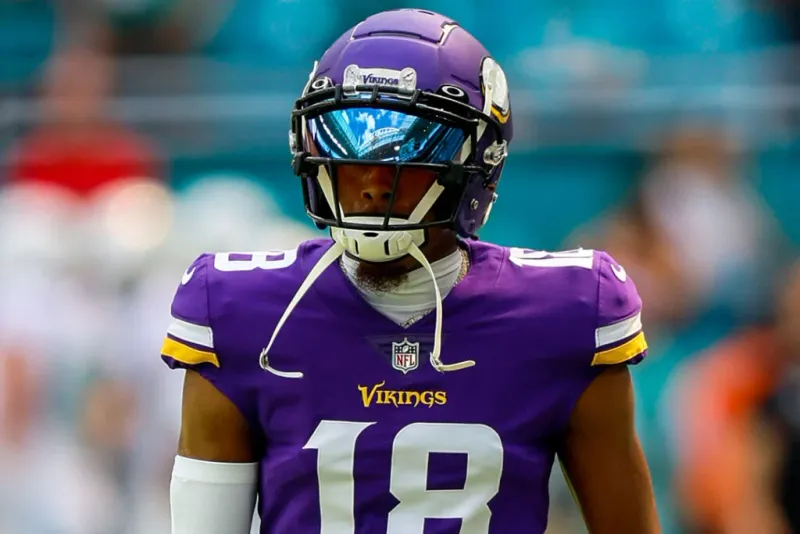
Oakley Football Shield (Prizm Clear)
- Lens
- Plutonite polycarbonate (Prizm)
- UV Protection
- 100% UVA/UVB/UVC + blue light to 400nm
- Anti-Fog
- Chemical coating
- Scratch Resistant
- Yes (Plutonite)
- Mounting
- Twist-on precision snaps
- Tint Options
- Prizm Clear (75% VLT), Black, Grey, Sapphire
- Compatible Helmets
- Riddell Speedflex, Schutt, Vicis, Xenith
Nike Gridiron Eye Shield
- Lens
- Polycarbonate (Max Optics)
- UV Protection
- 100% UVA/UVB
- Anti-Fog
- Ventilation holes
- Scratch Resistant
- Coating
- Mounting
- Universal clips
- Tint Options
- Clear, Smoke
- Compatible Helmets
- Riddell, Schutt, most major brands
Under Armour Football Visor
- Lens
- Polycarbonate
- UV Protection
- 100% UVA/UVB
- Anti-Fog
- ArmourSight anti-fog coating
- Scratch Resistant
- Yes
- Mounting
- Universal clip system
- Tint Options
- Clear, Smoke, Mirror
- Compatible Helmets
- Universal fit (most brands)
EliteTek Football Visor
- Lens
- 3mm optical polycarbonate
- UV Protection
- 100% UVA/UVB
- Anti-Fog
- Coating
- Scratch Resistant
- Coating
- Mounting
- Universal 2-clip system
- Tint Options
- Clear, Mirror, Smoke
- Compatible Helmets
- Riddell, Schutt, Xenith, most brands
| Feature | Oakley Prizm | Nike Gridiron | Under Armour | EliteTek |
|---|---|---|---|---|
| Price Range | $50–70 | $35–55 | $25–40 | $20–35 |
| Lens Technology | Prizm (contrast) | Max Optics (clarity) | ArmourSight | Standard optical |
| UV Protection | 100% + blue light | 100% UVA/UVB | 100% UVA/UVB | 100% UVA/UVB |
| Anti-Fog Method | Chemical coating | Ventilation holes | Chemical coating | Chemical coating |
| Scratch Resistance | Plutonite (best) | Coating | Coating | Coating |
| Mounting | Twist-on snaps | Universal clips | Universal clips | Universal 2-clip |
| Game Legal (Clear) | Yes | Yes | Yes | Yes |
| Best For | Premium optics | Versatile fit | Mid-range value | Budget/youth |
| Check Price | Check Price | Check Price | Check Price |
A football visor does three things every time you step on the field: it blocks fingers from poking through your facemask into your eyes, it deflects dirt and debris kicked up by linemen in the trenches, and it cuts sun glare on deep routes and high punts. Every position benefits from a visor, and at $20–70, it's the cheapest piece of protective equipment you'll buy.
But not all visors perform the same. Lens material determines how clearly you see and how long the visor lasts before scratching. Anti-fog performance varies dramatically between brands. And the most important factor — tint legality — will determine whether you can actually wear your visor in a game.
This guide covers the four best football visors at every price point, explains the tint rules at every level of play, and helps you pick the right one for your helmet and budget.
Why Every Football Player Should Wear a Visor
Eye injuries in football are more common than most players realize. Fingers through the facemask are the leading cause — defensive backs jam receivers, linemen hand-fight on every snap, and running backs take direct face contact in pile-ups. A polycarbonate visor creates a barrier that deflects fingers, thumbs, and debris away from your eyes.
Beyond protection, a clear visor provides:
- UV protection — Blocks harmful UVA/UVB rays during outdoor practices and games. Over a season, the cumulative sun exposure during daytime games is significant.
- Glare reduction — Even a clear visor reduces harsh sunlight, making it easier to track the ball against a bright sky.
- Debris shield — Turf pellets, dirt, grass, and rain stay off your eyes.
- Consistent vision — Unlike squinting or adjusting to changing light, a visor gives you the same visual conditions on every play.
The only players who might skip a visor are those in positions with minimal face contact and exclusively night-game schedules — and even then, the debris protection alone justifies wearing one.
Tint Rules: What's Legal at Every Level
This is the single most important thing to know before buying a football visor. Buy the wrong tint and you can't wear it in games.
NFL
Clear visors only during games. The NFL banned tinted visors in 1998 after concerns that medical staff couldn't assess players' eyes for concussions through dark lenses. Medical exemptions exist but are rare — they require documented eye conditions like light sensitivity or migraines, approved by the team physician and league office. Oakley is the NFL's official eyewear partner, and most players wear Oakley Prizm Clear shields.
NCAA (College)
Clear visors only. NCAA Rule 1-4-5-b requires that eye shields be constructed of a molded, rigid material that is clear and permits 100% light transmission. No tint, no mirror, no color. Medical exemptions follow a similar process to the NFL — team physician documentation submitted to the conference office.
High School (NFHS)
Clear visors only, and the rules are the strictest. NFHS Rule 1-5-3c(4) states that eye shields must be clear and made of a molded, rigid material. Officials must be able to see the player's eyes for concussion assessment during the game. Some state athletic associations impose additional requirements, so check your state's specific rules.
Medical exemptions are available at the high school level with a doctor's note, but the game referee has final authority on whether the visor is acceptable.
Youth Football
Rules vary by league and organization. Most youth leagues follow NFHS guidelines (clear only). Pop Warner and similar organizations generally require clear visors. Always confirm with your league before purchasing.
Bottom line: If you play in games at any competitive level, buy clear. Tinted visors are for practice only.
What to Look for in a Football Visor
Lens Material
All football visors use polycarbonate, but the quality varies significantly.
Oakley Plutonite is the premium standard — a proprietary polycarbonate that's thinner, lighter, and more optically clear than standard poly. It also blocks blue light up to 400nm, which standard polycarbonate doesn't. The scratch resistance is meaningfully better than competitors.
Standard optical polycarbonate (used by EliteTek, Under Armour, and most budget brands) provides adequate clarity and UV protection. The difference shows up in scratch resistance and long-term optical quality — budget lenses haze and scratch faster.
Anti-Fog Performance
Fogging is the number-one complaint with football visors. Your body generates significant heat inside a helmet, and the temperature differential between the warm air inside and cool air outside causes condensation on the visor.
There are two approaches to anti-fog:
- Chemical coatings (Oakley, Under Armour, EliteTek) — Applied to the inside surface of the visor. Effective initially but degrades over time, especially if you wipe the inside with your glove or jersey. Most coatings last one season with proper care.
- Ventilation holes (Nike Gridiron) — Physical holes at the top of the visor that allow airflow between the visor and facemask. This approach doesn't degrade and works consistently, but the holes are slightly visible.
For cold-weather games, ventilation-based anti-fog (Nike) outperforms coatings. For moderate climates, either approach works.
Helmet Compatibility
Not every visor fits every helmet. Before you buy, confirm compatibility with your specific helmet model.
- Oakley is optimized for Riddell Speedflex (the most common helmet in college and pro) and also fits Schutt, Vicis, and Xenith. Fit quality is best on Riddell.
- Nike Gridiron uses universal clips that fit most major helmet brands, including Riddell and Schutt. The most versatile fit.
- Under Armour uses a universal clip system compatible with most helmets.
- EliteTek uses a universal 2-clip system and markets compatibility with Riddell, Schutt, Xenith, and others.
If you have an older or less common helmet model, universal-clip visors (Nike, Under Armour, EliteTek) are the safest bet.
Scratch Resistance
Football visors take constant abuse — facemask contact, glove swipes, turf debris, and helmet-to-helmet collisions all contact the lens. Scratch resistance determines how long the visor stays optically clear.
Oakley's Plutonite offers the best scratch resistance by a significant margin. Budget visors with applied scratch-resistant coatings will show wear within weeks of heavy use. Plan on replacing a budget visor every season; an Oakley can last two or more.
Our 4 Best Football Visors
1. Oakley Football Shield (Prizm Clear) — Best Overall
The Oakley Football Shield with Prizm Clear lens is the best football visor you can buy. Prizm technology selectively filters light wavelengths to enhance contrast — yard lines and hash marks look sharper, jersey colors pop against the field, and balls in flight stand out more clearly against the sky. It's the same optical technology Oakley puts in their $200 sport sunglasses, molded into a football helmet visor.
The Plutonite polycarbonate blocks 100% of UVA, UVB, and UVC rays plus harmful blue light to 400nm — more protection than any competitor. The scratch resistance is the best in the category, and the tool-free twist-on mounting system installs in under a minute on compatible helmets.
The main drawback is the premium price ($50–70) and the Riddell-optimized fit. If you're on a Schutt or Xenith helmet, verify compatibility first. For a deeper look, read our full Oakley Football Visor review.
Price: $50–70 Best for: Players who want the best optics, UV protection, and scratch resistance available.
2. Nike Gridiron Eye Shield — Best Anti-Fog
The Nike Gridiron Eye Shield takes a different approach to anti-fog than every other visor on this list: physical ventilation holes at the central mounting tab instead of chemical coatings. The result is fog prevention that doesn't degrade over time — a significant advantage for players in cold-weather climates where fogging is the biggest complaint.
Nike's Max Optics technology provides distortion-free vision across the entire lens, not just the center. The universal clip mounting system fits more helmet models than Oakley's twist-on system, making it the most versatile option if you switch helmets between seasons.
The trade-off is that Nike doesn't offer Oakley's contrast enhancement or blue light filtering. The scratch resistance is adequate but won't match Plutonite over a full season. For a detailed breakdown of the ventilation system and field performance, read our full Nike Gridiron Eye Shield review.
Price: $35–55 Best for: Cold-weather players, players who've had fogging problems, and those with non-Riddell helmets.
3. Under Armour Football Visor — Best Mid-Range
The Under Armour Football Visor slots neatly between Oakley's premium and EliteTek's budget. The ArmourSight anti-fog coating performs well in moderate conditions, the optical clarity is a step above budget options, and the universal clip system fits most helmet brands.
Under Armour's polycarbonate provides full UVA/UVB protection and decent scratch resistance. It's not Plutonite, but it's better than the coatings on most budget visors. The visor comes in clear (game-legal), smoke, and mirror tints.
This is the sweet spot for high school and college players who want better quality than EliteTek without paying Oakley prices.
Price: $25–40 Best for: High school and college players who want solid quality at a moderate price.
4. EliteTek Football Visor — Best Budget
The EliteTek Football Visor is the best option under $35. The 3mm optical polycarbonate provides clear vision and full UV protection, and the universal 2-clip mounting system fits Riddell, Schutt, Xenith, and most other helmets.
The anti-fog and scratch-resistant coatings are functional but won't last as long as premium alternatives. Plan on replacing this visor every season with heavy use. For youth and high school players who are still growing and changing helmets, spending $20–35 instead of $60+ makes practical sense.
EliteTek also offers mirror and smoked tints for practice use, and the price point makes it easy to keep a clear visor for games and a tinted one for outdoor practices.
Price: $20–35 Best for: Youth players, backup visors, and anyone who wants functional protection at the lowest price.
How to Install a Football Visor
Installation takes under two minutes with most visors:
- Remove your facemask — While not always required, removing the facemask gives you better access to the mounting points and ensures a cleaner install.
- Position the visor — Align the visor's mounting holes with the top bar of your facemask. The visor should sit centered, with the curve following the facemask's contour.
- Attach the clips — For universal clip systems (Nike, Under Armour, EliteTek), snap the clips over the facemask bar and tighten with the included screws. For Oakley's twist-on system, align the snap mounts and twist until they lock.
- Check the fit — Put on your helmet and look through the visor. You should have clear vision across your entire field of view with no gaps between the visor edge and facemask.
- Reattach your facemask if you removed it.
If the visor wobbles, rattles, or has gaps, the clips may not be compatible with your facemask configuration. Universal clips include multiple sizes for different bar thicknesses.
Visor Care and Maintenance
The right care routine keeps your visor clear and extends its life:
- Clean with microfiber only — Paper towels, jersey fabric, and gloves all scratch polycarbonate. Use the included microfiber cloth or a dedicated lens cloth.
- Never touch the inside surface — Your fingers transfer oils that degrade anti-fog coating. If the inside gets dirty, rinse with water and let it air dry.
- Store lens-up — Placing the visor face-down on any surface risks scratches. Store it in your helmet with the lens facing up, or use a soft bag.
- Remove before bagging your helmet — A visor pressed against other gear in a hot equipment bag can warp over time.
- Replace when scratched — A scratched visor distorts vision and scatters light, making it worse than wearing no visor at all. Budget visors ($20–35) should be replaced every season. Premium visors (Oakley) can last two seasons or more with proper care.
- Don't use household glass cleaner — Windex and similar products contain ammonia, which damages polycarbonate and anti-fog coatings. Use water or a dedicated lens cleaner.
Final Verdict
For the best optical quality, UV protection, and scratch resistance, the Oakley Football Shield with Prizm Clear is the top choice. It's what NFL players wear for a reason — Prizm contrast enhancement and Plutonite durability are unmatched.
For cold-weather players dealing with fog, the Nike Gridiron solves the problem with ventilation that chemical coatings can't match.
For budget-conscious players — especially youth and high school athletes who outgrow helmets every year — the EliteTek at $20–35 delivers functional protection and UV blocking without the premium price. Replace it each season and you'll spend less than one Oakley over four years.
Whatever you choose, buy clear for games. Save the tinted visors for practice. And always remember — a visor only protects you if it's on your helmet, not sitting in your locker. For a look at how visors compare in other sports, check out our guide on hockey face shield vs. hockey visor. If you play basketball as well, face protection works differently off the helmet — see our guide on choosing the best basketball face mask for a breakdown of masks and nose guards designed for the court. And for a closer look at our top anti-fog pick, read the full Nike Gridiron Eye Shield review.


