
Oakley Radar EV Path Review
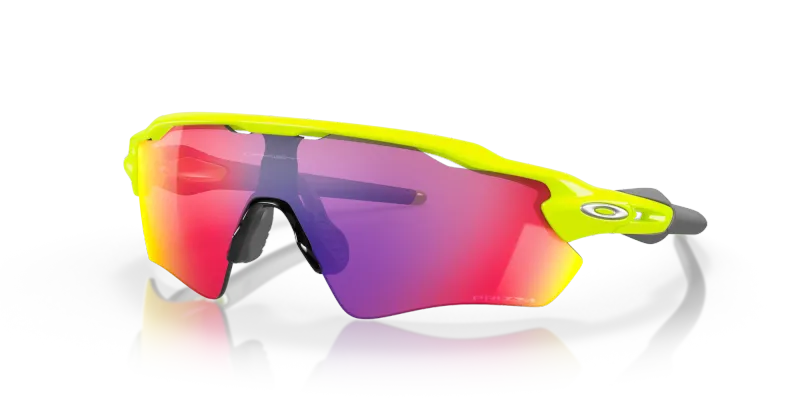
Oakley Radar EV Path
- Frame
- O-Matter thermoplastic (stress-resistant)
- Lens
- Plutonite polycarbonate shield (PRIZM available)
- Optics
- High Definition Optics (HDO) — ANSI Z87.1
- UV Protection
- 100% UVA/UVB/UVC + blue light to 400nm
- Weight
- ~30g
- Grip
- Unobtainium nose pads + earsocks
- Fit System
- Three-Point Fit
- Lens Style
- Single shield, extended vertical view (EV)
- Light Transmission
- 22% (PRIZM Field)
Oakley Flak 2.0 XL
- Frame
- O-Matter thermoplastic
- Lens
- Plutonite polycarbonate (dual-lens)
- Optics
- High Definition Optics (HDO)
- UV Protection
- 100% UVA/UVB/UVC
- Grip
- Unobtainium nose pads + earsocks
- Lens Style
- Dual-lens, semi-rimless
- Light Transmission
- 15% (PRIZM Field)
The Radar EV Path delivers the widest field of view in Oakley's baseball lineup thanks to its extended-view shield lens. At just 30g with PRIZM Field optics that enhance ball visibility against grass and sky, it's ideal for outfielders and multi-sport athletes who want maximum coverage without added weight.
- Extended-view shield lens maximizes vertical and peripheral coverage
- Plutonite lenses rated for extreme mass and high-velocity impact
- PRIZM Field lens enhances ball visibility against grass and sky
The Oakley Radar EV Path is one of Oakley's most popular sport sunglasses, and for good reason. The "EV" stands for Extended View — the single shield lens is taller than standard sport sunglasses, maximizing vertical and peripheral vision. For baseball players, this means no blind spots when you look up to track a fly ball or down to field a grounder.
At ~30g, it weighs almost nothing. PRIZM lens technology enhances on-field contrast, Plutonite polycarbonate handles impact, and Unobtainium grip locks the frame in place through sweat. At $160–230, it's premium — but for serious baseball players, the Radar EV Path delivers performance that justifies the investment.
Extended View Shield Lens
The Radar EV's defining feature is its tall single-shield lens. The extended vertical coverage eliminates the gap between the lens top and your brow bone that exists on standard dual-lens sunglasses. When you tilt your head up to track a pop fly against bright sky, the lens maintains protection and clarity through the full range of motion.
The single-shield design also eliminates the nose bridge obstruction of dual-lens frames — your central vision is completely uninterrupted. The curved wrap extends peripheral coverage so you can pick up a ball entering your side vision without turning your head.
PRIZM and HDO Optics
Oakley's PRIZM technology selectively filters light wavelengths to enhance specific colors for specific environments. The PRIZM Field lens is designed for baseball: it amplifies the red tones of a baseball's stitching and sharpens the contrast between green grass, brown dirt, and blue sky. The result is faster ball recognition, especially during the split-second decisions that fielding demands.
High Definition Optics (HDO) corrects the light refraction that curved lenses normally cause. Objects at the edge of your vision stay accurately positioned and sharp — critical when a ball tracks into your peripheral view at speed. HDO meets ANSI Z87.1 standards for optical clarity.
The Radar EV's 22% light transmission (PRIZM Field) lets enough light through for varied conditions while still reducing brightness effectively. By comparison, the Flak 2.0 XL's PRIZM Field sits at 15% light transmission — darker, which works better in harsh direct sun but less effectively in overcast or twilight conditions.
Plutonite Impact Protection
Plutonite is Oakley's purified polycarbonate, tested under extreme mass (heavy weight drop) and high-velocity (projectile) impact conditions. On the baseball field, this means protection from foul tips, thrown bats, kicked-up dirt, and any other debris. The lens absorbs impact energy without shattering or sending fragments toward your eyes.
Combined with 100% filtration of UVA, UVB, and UVC rays plus blue light up to 400nm, the Radar EV provides complete eye protection for players who spend 3-5 hours in direct sun per game.
Fit and Comfort
At approximately 30g, the Radar EV Path is ultralight. The O-Matter thermoplastic frame flexes under stress without snapping and distributes weight evenly through Oakley's Three-Point Fit system — contact at the nose bridge and both temples only, with no clamping force against the skull.
Unobtainium nose pads and earsocks provide sweat-activated grip. The hydrophilic rubber compound gets tackier when wet, so the frame locks down tighter during intense play rather than sliding. Through sprints, slides, and diving catches, the Radar EV stays in place.
The temple arm issue: The Radar EV's temples are longer than average, which can create pressure or interference when worn under a baseball hat or batting helmet. This is the most common complaint. Most players solve it by adjusting hat fit or positioning the temple arms along the hat's strap channel, but it's worth noting before you buy.
Oakley Radar EV Path vs. Flak 2.0 XL
Both are Oakley flagship sport sunglasses with Plutonite, HDO, and Unobtainium. The differences come down to lens design and coverage.
Lens design: The Radar EV uses a single shield lens for uninterrupted vision. The Flak 2.0 XL uses a dual-lens semi-rimless design. Some players prefer the shield's seamless view; others prefer the dual-lens aesthetic and slightly more natural optics.
Coverage: The Radar EV's extended-view shield provides more vertical coverage — better for outfielders tracking fly balls. The Flak 2.0 XL provides good coverage with its tall dual lenses but can't match the shield's uninterrupted field of view.
Light transmission: The Radar EV (22% PRIZM Field) transmits more light than the Flak 2.0 XL (15%), making the Radar EV more versatile across lighting conditions — from bright afternoon sun to overcast skies and twilight innings.
Hat compatibility: The Flak 2.0 XL's shorter temples fit under hats and helmets more easily. The Radar EV's longer temples can create interference.
Price: The Radar EV typically costs $20–40 more than the Flak 2.0 XL.
Verdict: For outfielders and players who prioritize maximum field of view, choose the Radar EV Path. For infielders and players who want easier hat compatibility at a slightly lower price, the Flak 2.0 XL is the better fit.
Final Verdict
The Oakley Radar EV Path is one of the best baseball sunglasses available — period. The extended-view shield lens maximizes visibility, PRIZM Field enhances on-field contrast, and the ultralight frame with Unobtainium grip stays locked through the most intense play.
The long temple arms are the only consistent drawback, and most players find a workable solution. For players willing to invest in premium eyewear that genuinely improves on-field performance, the Radar EV Path delivers. Beyond the diamond, the Radar EV Path is one of the most popular frames among competitive cyclists — our best cycling sunglasses guide covers how it performs at speed on the road.
For a broader comparison, check our guide to the best baseball sunglasses.
Pros
- + Extended-view shield lens maximizes vertical and peripheral coverage
- + Plutonite lenses rated for extreme mass and high-velocity impact
- + PRIZM Field lens enhances ball visibility against grass and sky
- + Ultralight at ~30g — barely noticeable during play
- + Unobtainium grip gets tackier with sweat
- + 100% UV protection including UVC and blue light to 400nm
- + 22+ color options available
Cons
- - Temple arms run long — can interfere with baseball hats and helmets
- - Premium price ($160-230) puts it above most competitors

