Best Baseball Sunglasses for 2026 (4 Top Picks)

Oakley Flak 2.0 XL
- Frame
- O-Matter thermoplastic (stress-resistant)
- Lens
- Plutonite polycarbonate (PRIZM available)
- Optics
- High Definition Optics (HDO) — ANSI Z87.1
- UV Protection
- 100% UVA/UVB/UVC + blue light to 400nm
- Grip
- Unobtainium nose pads + earsocks
- Style
- Dual-lens, semi-rimless
- Weight
- ~31g
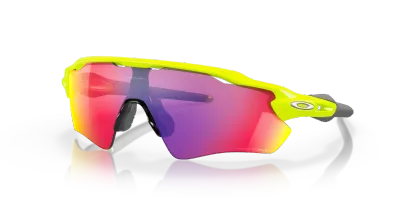
Oakley Radar EV Path
- Frame
- O-Matter thermoplastic (stress-resistant)
- Lens
- Plutonite polycarbonate shield (PRIZM available)
- Optics
- High Definition Optics (HDO) — ANSI Z87.1
- UV Protection
- 100% UVA/UVB/UVC + blue light to 400nm
- Grip
- Unobtainium nose pads + earsocks
- Style
- Single shield, extended vertical view (EV)
- Weight
- ~30g
Marucci Shield
- Frame
- TR-90 nylon (lightweight, flexible)
- Lens
- Carl Zeiss Vision Impacto (thermoplastic)
- Optics
- Fully compensated (zero peripheral distortion)
- UV Protection
- DuraVision UV — blocks rays to 400nm
- Grip
- Interchangeable nose bridge + temple components
- Style
- Shield lens, hat-compatible geometry
- Coating
- Ri-Pel hard coat (scratch, dirt, oil, water resistant)
100% Speedtrap
- Frame
- TR-90 nylon (lightweight, flexible)
- Lens
- Polycarbonate (HiPER contrast technology)
- UV Protection
- 100% UVA/UVB
- Grip
- Ultra-grip rubber nose pads and temple tips
- Fit
- Three-way adjustable temple tips
- Coating
- HYDROILO hydrophobic + oleophobic
- Lens Change
- Quick-release stabilizing clip system
| Feature | Oakley Flak 2.0 XL | Oakley Radar EV Path | Marucci Shield | 100% Speedtrap |
|---|---|---|---|---|
| Price | $150–220 | $160–230 | $200–240 | $150 |
| Lens Style | Dual-lens, semi-rimless | Single shield (extended view) | Shield | Shield |
| Lens Tech | Plutonite + PRIZM | Plutonite + PRIZM | Zeiss Impacto | HiPER polycarbonate |
| Impact Rating | ANSI Z87.1 | ANSI Z87.1 | Impact-resistant | Impact-resistant |
| Grip System | Unobtainium | Unobtainium | Interchangeable pads | Ultra-grip rubber |
| Hat Compatibility | Good | Tight (long temples) | Excellent | Good |
| Interchangeable Lens | No | No | No | Yes (quick-release) |
| Best For | All positions | Outfielders | Premium optics | Adjustable fit |
| Check Price | Check Price | Check Price | Check Price |
Baseball sunglasses do something regular sunglasses don't: survive the diamond. Foul tips, infield dirt traveling at 80 mph, three-hour UV exposure, and the need to track a white ball against a blue sky at 95 mph — these are demands that generic sport frames aren't tested for.
The four picks below use impact-resistant lenses, UV protection beyond standard sunglasses, and grip systems engineered to hold through nine innings of sweat. They range from a versatile $150 dual-lens frame to a $200 premium with Carl Zeiss Vision optics.
What Baseball Sunglasses Actually Need
Impact Protection
A foul tip hits 80–100 mph. Infield dirt and debris travel at speed. Standard polycarbonate sunglasses may or may not survive a direct hit — ANSI Z87.1-rated lenses are tested to withstand exactly these impacts without shattering. Oakley's Plutonite and Marucci's Carl Zeiss Impacto both meet this standard. The 100% Speedtrap's polycarbonate is impact-resistant but not formally ANSI Z87.1 certified.
Lens Tint for the Diamond
Generic gray or brown lenses just reduce brightness. Baseball-specific tints do more:
- PRIZM Field (Oakley) — About 22% light transmission. Boosts contrast between white ball, red stitching, green grass, and blue sky. The best all-purpose baseball tint.
- PRIZM Field Polarized — Same contrast enhancement with glare reduction added. Works well for day games; some players need an adjustment period for depth perception.
- Violet base (Marucci Shield) — Enhances contrast across all lighting without heavy color shift. Consistent from bright afternoon games through dusk.
- HiPER (100% Speedtrap) — Rose/orange contrast lens that sharpens and brightens detail. Similar intent to PRIZM for variable-light ball sports.
Hat Compatibility
Every baseball player wears a hat. Temple arms need to pass under the brim, clear the crown, and not create pressure where they cross the sweat band. The Radar EV Path's longer temples are the most commonly cited fit issue — most players resolve it by pushing the temples above the hat's internal band. The Marucci Shield's frame is specifically designed for hat-compatible geometry.
Grip Through Sweat
Three innings into a July doubleheader, your sunglasses need the same grip they had in the first inning. Hydrophilic grips (Oakley Unobtainium, Marucci's interchangeable pads, 100%'s rubber tips) get tackier with moisture rather than slick. This is a meaningful advantage over standard rubber grips that degrade over long games.
The 4 Best Baseball Sunglasses for 2026
1. Oakley Flak 2.0 XL — Best Overall
The Oakley Flak 2.0 XL is the most widely used baseball sunglasses frame in the game. Plutonite lenses pass Oakley's extreme impact tests and meet ANSI Z87.1. HDO optics eliminate lens distortion that would affect depth perception tracking a ball off the bat. Unobtainium grip holds harder the more you sweat.
The XL designation matters: the taller lens provides coverage when you look up to track a ball above your head, where shorter lenses leave a gap. The semi-rimless design gives an unobstructed view downward for fielding grounders — no bottom rim in your line of sight.
At $150 base and $180–220 with PRIZM Field, the Flak 2.0 XL is the proven standard. The one-size frame fits medium faces well; players with slim or very wide faces should try them on before committing.
Best for: All positions. The most versatile and proven frame in the game.
2. Oakley Radar EV Path — Best for Outfielders
The Oakley Radar EV Path uses a single extended-view shield lens with more vertical coverage than any dual-lens design. When you're tracking a fly ball from deep center against a bright 3 PM sky, the Radar EV's taller lens height eliminates the coverage gap that causes other frames to lose the ball near the brim line.
Same Plutonite, HDO, and Unobtainium foundation as the Flak 2.0 XL. At ~30g it's slightly lighter. The temple arms run long, which creates fit tension with baseball hats — this is the one real trade-off, and most players work through it in a few games.
Best for: Outfielders who track fly balls into direct sun and need maximum vertical coverage.
3. Marucci Shield — Best Premium Optics
The Marucci Shield brings Carl Zeiss Vision Impacto lenses — optics usually found in surgical instruments and cinema cameras — to the baseball diamond. The fully compensated optical design eliminates peripheral distortion at the lens edges, so a ball tracking along the edge of your visual field appears at the correct position rather than shifted by lens geometry.
The violet base lens provides consistent contrast from bright afternoon sun through dusk without the dramatic color cast of amber or rose tints. The Ri-Pel coating sheds water droplets, dirt, and sweat smears. Interchangeable nose bridge and temple components let you dial in fit with precision.
At $200–240 it's the most expensive pick here. The Zeiss optics are the reason — for players who log serious time on the diamond, the optical precision is a genuine step up.
Best for: Serious players who prioritize optical clarity above all else and want a frame built specifically around baseball.
4. 100% Speedtrap — Best Alternative Frame
The 100% Speedtrap takes a different engineering approach: a quick-release stabilizing clip for lens swapping, three-way adjustable temple tips for custom fit, and HYDROILO coating that combines hydrophobic and oleophobic protection in a single layer. The HiPER polycarbonate lens uses a rose/orange contrast technology similar in intent to PRIZM — brightening and sharpening detail in variable light conditions.
The TR-90 frame is lightweight and chemically resistant to sunscreen, which breaks down cheaper frame materials over a full season. At ~$150, it's priced alongside the Flak 2.0 XL but offers more adjustable fit and an interchangeable lens system in exchange for Oakley's ANSI Z87.1 certification and PRIZM optics.
Best for: Players who want a more adjustable fit and the option to swap lenses within the same frame.
PRIZM Lens Guide for Oakley Baseball
If you're buying Oakley, choosing the right PRIZM lens matters:
- PRIZM Field — The primary baseball lens. 22% light transmission. Optimized for ball/grass/dirt/sky contrast. The correct choice for most players in most conditions.
- PRIZM Field Polarized — Adds glare reduction for day games and turf glare. Some players notice a brief depth-perception adjustment period — it normalizes within a few games.
- PRIZM Dark Golf — Richer green channel enhancement, slightly darker than Field. Used by some outfielders who play under intense overhead lighting or on very bright artificial turf.
- Black Iridium — Neutral dark tint, no color enhancement. For players who want true color rendering without any contrast adjustment.
Final Verdict
For most players, the Oakley Flak 2.0 XL with PRIZM Field is the right answer. It's impact-certified, widely proven at every level of the game, and the PRIZM Field lens is specifically engineered for ball visibility on the diamond. See our full Flak 2.0 XL review for the complete breakdown.
Outfielders should give serious consideration to the Radar EV Path — the extended-view shield and maximum vertical coverage are built for tracking fly balls, which is the hardest thing sunglasses have to do in baseball. Our Radar EV Path review covers how it compares to the Flak in detail.
If you want the best optical precision available for baseball, the Marucci Shield with Zeiss Impacto lenses delivers something Oakley doesn't: fully compensated optical geometry with zero peripheral distortion. See our Marucci Shield review for the full head-to-head with Oakley.
For a deeper look at what to consider before buying, see our baseball sunglasses buyer's guide — it covers lens tints, hat compatibility, and what each position needs from a frame.